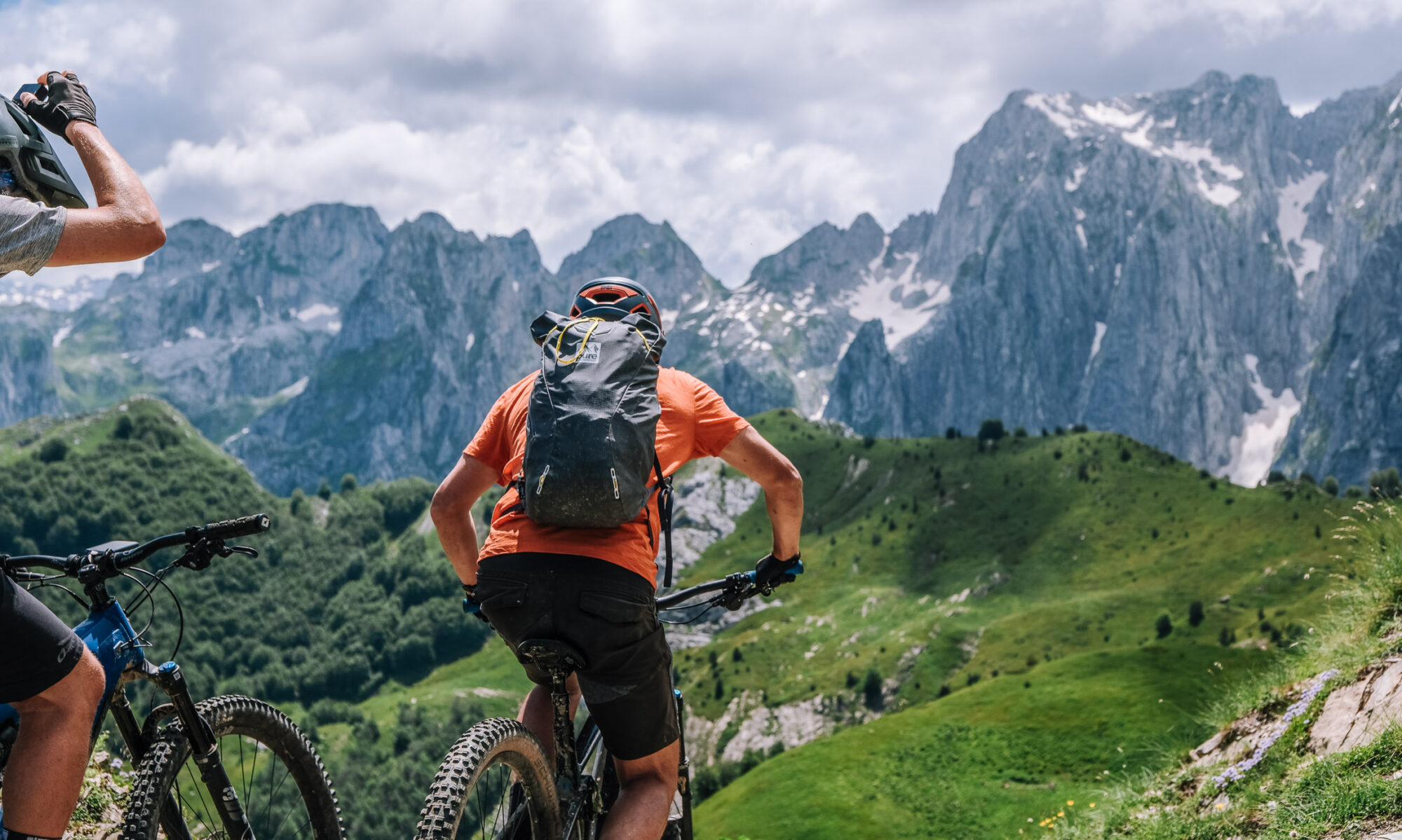
How this route came about
The Bjeshkët e Namuna or The Accursed Mountains have had a walking product since the Peaks of the Balkans trail opened. They have had almost nothing for cyclists.
Getting from that gap to a sellable eight-day traverse took four things: a routing specialist who knows what e-bikes can and cannot climb, a local guide who knows which shepherd tracks go through and which ones stop dead at a pasture, four Austrian-made NOX e-bikes, and six consecutive days in June 2026 riding the whole thing with a GPS running.
That last part is why every number on this site is a measured one. 229.9 kilometres. 9,578 metres of climbing. A high point of 2,238 metres near the Tripoint, where Kosovo, Montenegro and Albania meet. We publish the tracks because we would rather you looked at the real profile than took our word for it.
We are a Kosovo company, based in Pejë, at the mouth of the Rugova valley and directly under the mountains this route crosses.
Balkan Natural Adventure was founded in 2015 by Nol Krasniqi, a local mountain guide, and Virtyt Gacaferri, who came out of international marketing. Eleven years on there are seven of us here permanently — two men and five women — and we contract between ten and fifteen guides through the season. We run hiking, skiing, biking and cultural trips across Kosovo, Albania and Montenegro.
We are a Travelife Partner, which matters more than a logo suggests: it means our sustainability practice is independently assessed rather than self-declared. Our work has been covered in The Guardian, the Financial Times and The Straits Times, and we sell through tour operators in the UK, Belgium, Poland, the Czech Republic and Serbia.
Special thanks to:
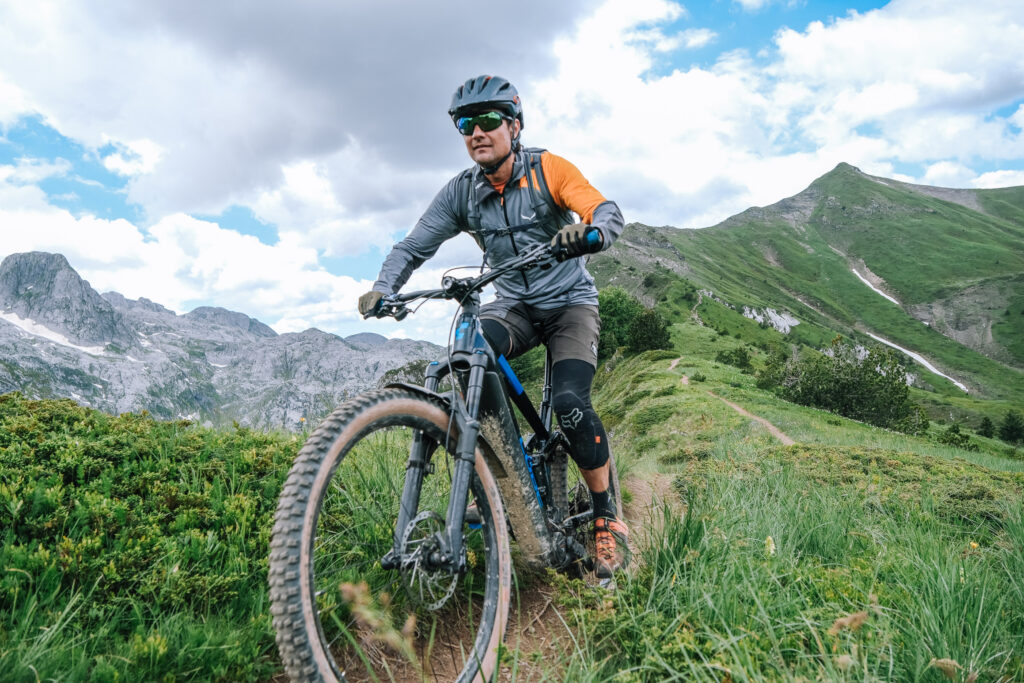
Thomas Rabl – Pure Mountains Austria
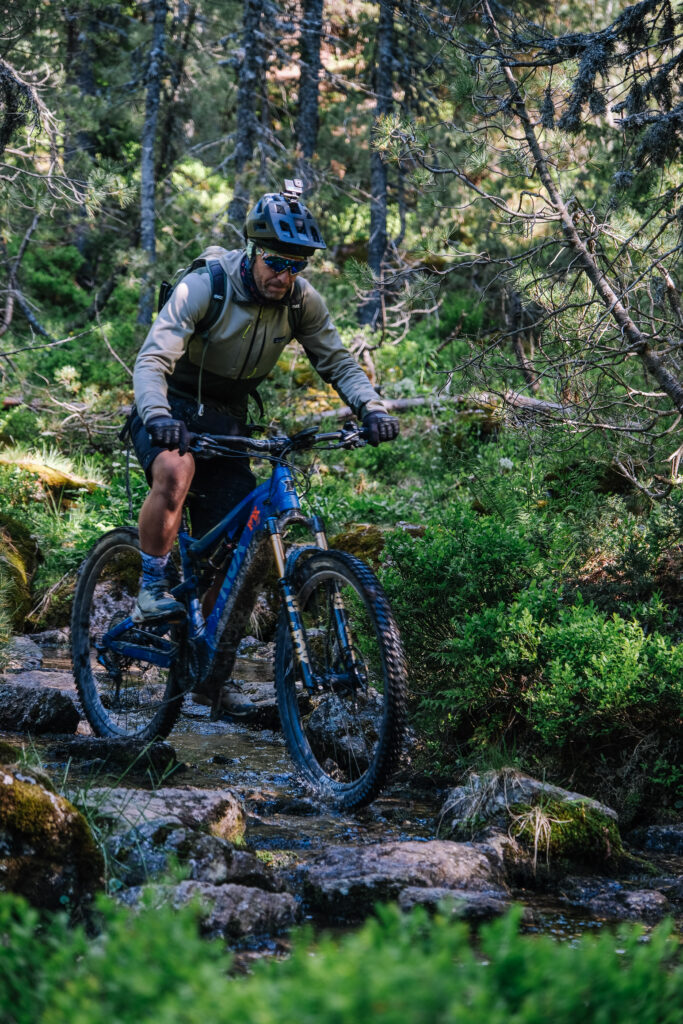
Rene Koller Mountain Bike Spirit
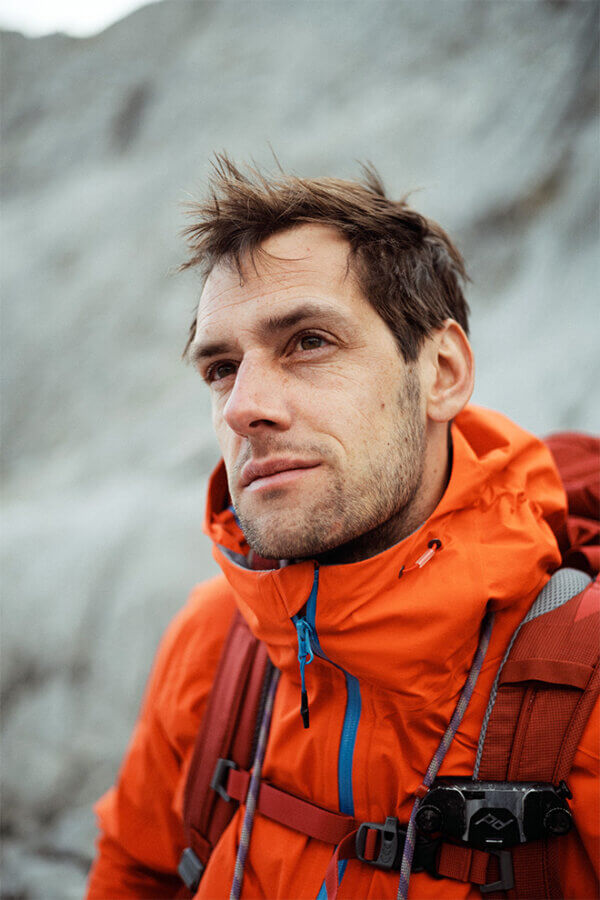
Simon Schöpf bergspektiven.at
Dini Begolli Dini Begolli Instagram
What stays in the valleys
The route sleeps in family guesthouses, not hotels — Hana in Plav for three of the seven nights, Vuçetaj in Vuthaj, Gacaferri up near Doberdol. It eats in village restaurants. Guesthouse Hana
The project was financed by Swidish governemn part of the FEGO project of Swisscontact